Deep Dive: The Gilded Age
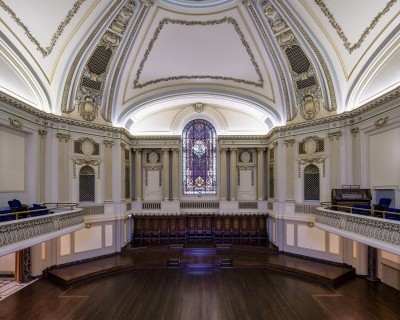
Anne Lee Willet: The Unsung Artisan of a Stained-Glass Legacy
The woman behind the stained-glass window at the Museum's Murphy Auditorium
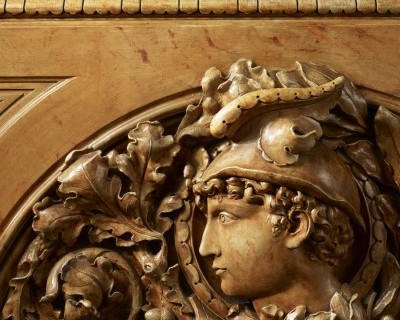
Hidden in the Woodwork: Searching for the Meaning of Acorns at The Driehaus Museum
Why are there so many acorn motifs in the Driehaus Museum?
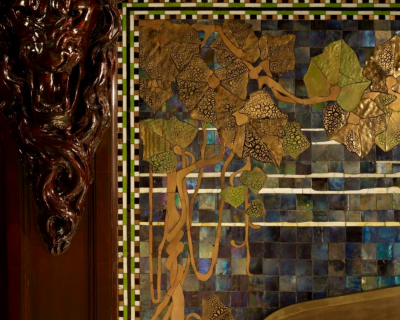
Elegance in Glass
Giannini & Hilgart's glass fireplace surround tells a story of craftsmanship and prosperity during America's Gilded Age.
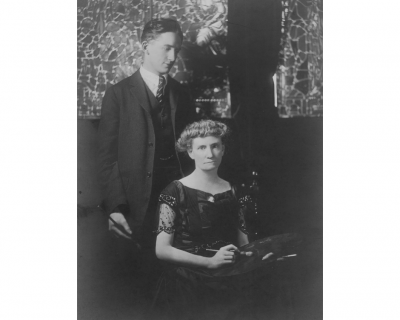
Competition at the Murphy: The Willet Stained Glass and Decorating Company Versus Louis Comfort Tiffany
The Driehaus Museum's Murphy Auditorium saw two of the early 20th century's greatest stained-glass companies competing for its window.
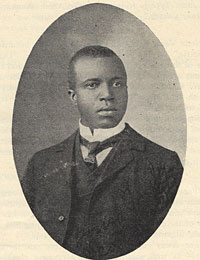
Ragtime: A Great American Innovation
Discover how ragtime music evolved and why it is such a distinctly American musical form.

Victorian Parlor Games & Puzzles for a Pandemic
Parlor (or parlour) games were popular during the Victorian era in Great Britain and the United States. Many of the games involved logic, word-play, dramatics, and simple creativity without the use of any equipment that would not be readily available in the parlor. Feel free to throw on your best hat, make some tea and finger sandwiches, and unplug from the 21st century for a while with a parlor game…it’s great fun!
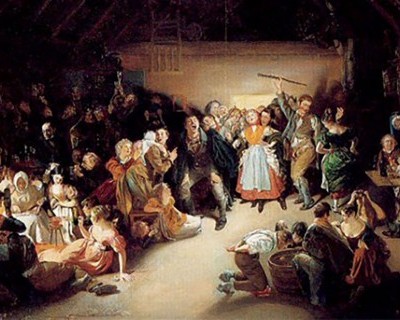
Halloween: From Ancient Britain to Gilded Age America
Although people around the world view Halloween as a thoroughly American holiday, it has a far more complicated story than that. In fact, Halloween is a mash-up of ancient Celtic paganism, early Roman Catholicism, nineteenth-century American immigration, modern suburbanism and commercialism, and much, much more.
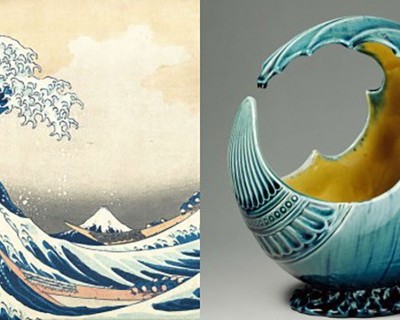
Japonisme
In 1853, an event in the world of foreign relations and commercial trade transformed Western art forever: Japan opened its borders. Wares from this once heavily isolated island in the Far East began to flow into Europe for the first time since 1633.
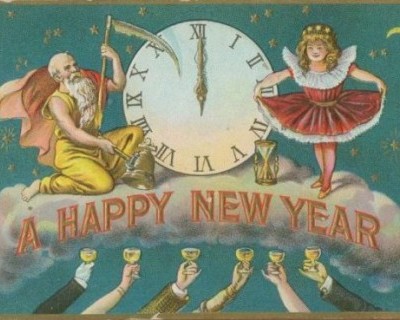
Gilded Age New Year’s Traditions: Champagne and Celebrations
During the Gilded Age, the American traditions of New Year’s Eve started to transition from the folk celebrations of immigrants to the elaborate soirees we are more familiar with today, especially for those of a certain class.

New York’s Historic Puck Building
This post is part of a series exploring the stories behind the Driehaus Museum’s latest exhibition, With a Wink and a Nod: Cartoonists of the Gilded Age.
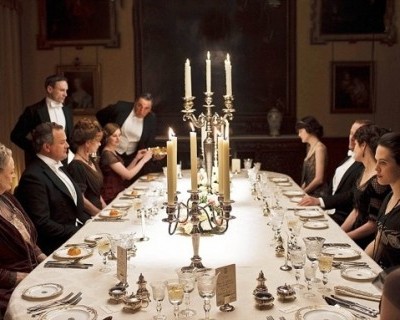
The Manners of the Edwardian Era
Queen Victoria’s son, Edward VII, had a brief reign from 1901 to 1910, but it was a decade marked by peace and prosperity at the height of the British Empire. The Edwardian period was indeed a “Gilded Age,” both in England and America.

Changing Times: A Cultural Snapshot of the Edwardian Era
When you see the fashions on display in Dressing Downton™: Changing Fashion for Changing Times, you step into a broader cultural tale about the vast changes sweeping the world in the first decades of the 20th century.
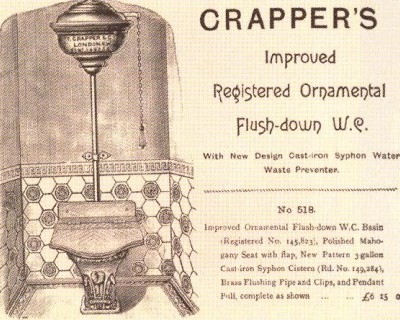
[You Asked] What’s the Story with the Crappers?
You Asked… What’s the Story with the “Crapper” Toilets in the Driehaus Museum Bathrooms? Today’s blog post is part of an occasional series dedicated to answering visitors’ questions.

Anniversary of the Tragic Ending for The Ship of Dreams
As we reflect today on the 103-year anniversary of a tragedy that shook an entire culture’s belief in its own bright, progressive destiny, some American teens have supposedly been surprised to discover that the RMS Titanic’s sinking was, in fact, real. (“I never knew titanic actually happened,” one tweeted. “Always thought it was just a film,” wrote another.)
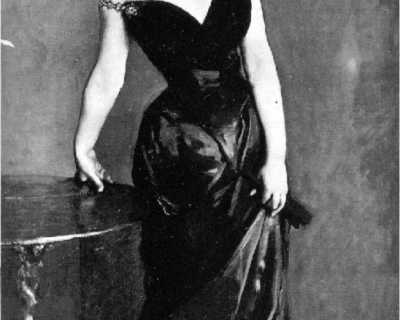
Driehaus Museum Book Club Explores the History of Madame X
He originally titled it, Portrait of Madame ***, in an attempt to conceal his voluptuous sitter’s identity. As far as Paris society was concerned, the woman’s identity was far from the only asset the painting failed to cover.

Happy Birthday to Louis Comfort Tiffany!
Happy 166th Birthday to Louis Comfort Tiffany born February 18, 1848.
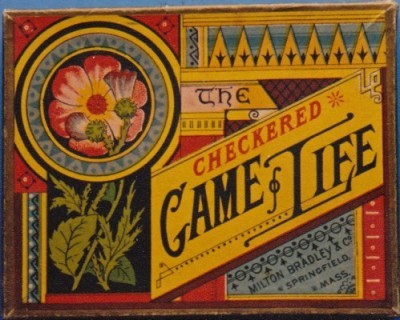
Gilded Age Games and Toys
As the Nickerson and Fisher families looked forward to their holiday seasons, they and other Gilded Age families would have enjoyed games, toys and books in their spare time.
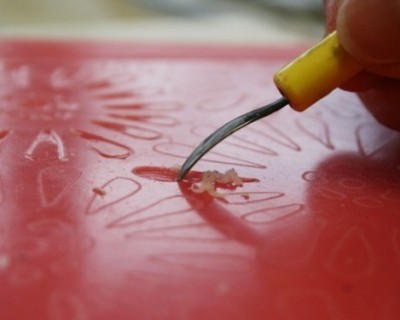
In Process: Creating Reproduction Low Art Tiles for the Museum Store
For the Museum Store, L’Esperance Tile was commissioned to craft two custom tiles inspired by the J. & J. G. Low Art Tile Works tiles found in the Driehaus Museum—which, with their embossed natural details, jewel-toned colors, and sheen, are among the most stunning surviving elements of the this 1883 mansion.
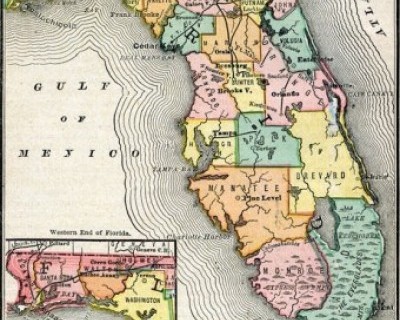
[Q&A] with Dr. Susan Braden, Author of ‘The Architecture of Leisure’
Henry Flagler and Henry Plant had much in common. Both came from humble American beginnings; were undereducated relative to their future self-made success; adopted New York City as home;
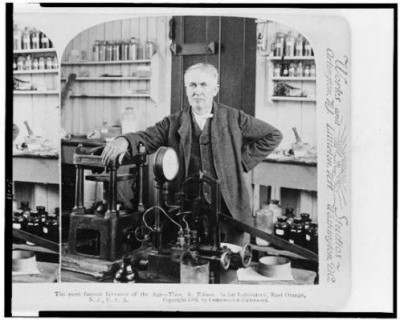
Edison’s Bulbs
Patenting his electric lightbulb would, more than Edison’s 1,093 other inventions, cement his spot as American inventor extraordinaire.
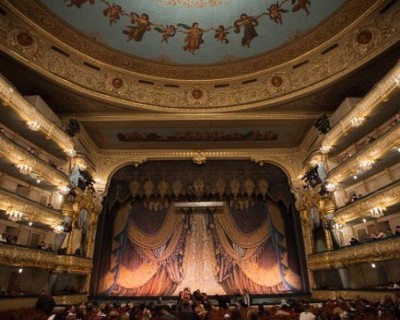
Anna Karenina: How America’s Gilded Age Social Customs Mirrored Russia’s
I have always been struck, while reading Anna Karenina (or, more recently, while watching Leo Tolstoy’s 1873-1878 tale played out by Jude Law and Keira Knightley in sumptuous costumes in this year’s film version) by the similarities it shows between upper-class late 19th-century Russia and late 19th-century America.

Thorstein Veblen and the ‘Theory of the Leisure Class’
Typically (and stereotypically), the Gilded Age is known for: 1) Money and industry, and 2) People who made a lot of money in industry.
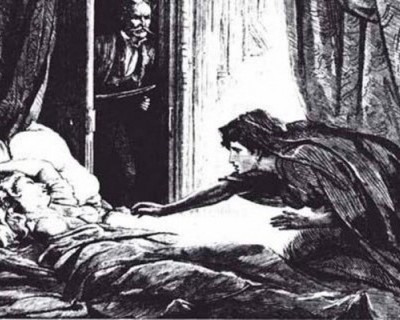
Ghoulies, Ghosties & Long-Legged Beasties: Horror Fiction of the Victorian Era
One might be surprised to discover a giant black spider attacking a Gilded Age fine and decorative arts museum. But yes, at the corner of Erie and Wabash, a colossal arachnid is navigating the exterior of the historic Nickerson Mansion.
[Q&A] with Anna Tobin D’Ambrosio of the Munson-Williams-Proctor Art Institute
Last week the Driehaus Museum welcomed Anna Tobin D’Ambrosio, director and chief curator at the Munson-Williams-Proctor Art Institute in Utica, New York, and the final lecturer of the 2012 Nickerson Lecture Series season.

[Q&A] with Dr. Caroline Hellman of City University of New York
This year marks the 150th birthday of Edith Wharton, and Dr. Caroline Hellman—associate professor of English in New York—graciously accepted our invitation to speak about the writer and interior designer for our Samuel M. Nickerson Lecture Series.
It Was Colonel Mustard With the Candlestick…
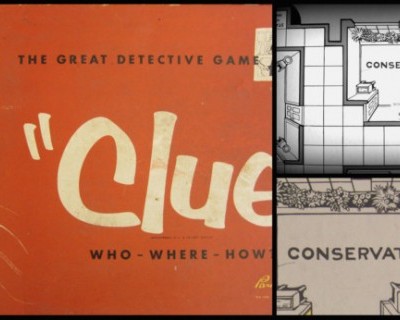
There is this great line in the book Great Houses of Chicago, 1871-1921, which I lugged from the shelf in search of insights on the popularity of conservatories during the Gilded Age. It begins, “The Victorians were notorious for collecting…”—and that’s a perfect enough start.
Best of Independence Day: The Gilded Age Edition
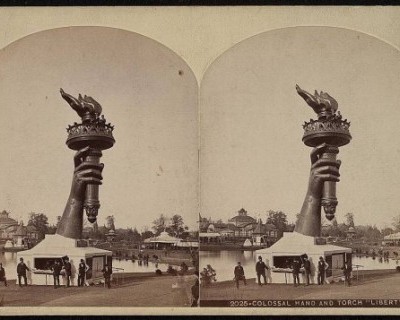
The Fourth didn’t become a federal holiday until 1941, but America has been celebrating it since the signatures went down on the Declaration of Independence in 1776. Looking back at a Gilded Age’s worth of Fourth of July celebrations in Chicago, here are some of best (and some of the worst) moments between the Civil and First World Wars.
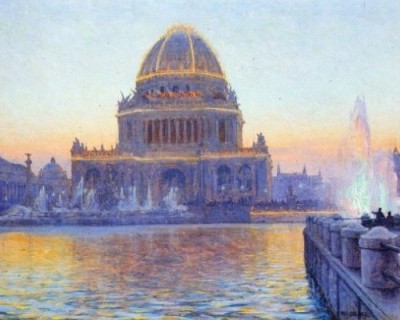
A Tour of the World’s Fair: Decorative Objects from the 1893 Columbian Exposition
On permanent display in the Driehaus Museum are a number of decorative objects—an artistic silver punch bowl by Tiffany & Company; a painting of the Administration Building; and even a trio of Japanese bronzes, souvenirs purchased by the Nickerson family that originally occupied this mansion—that come exclusively from the 1893 World’s Columbian Exposition in Chicago.
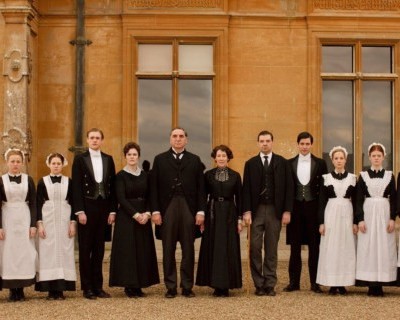
Below America’s Stairs: Domestic Servants in the Gilded Age
The Museum’s visitors are always interested in how America’s wealthy lived back in the Gilded Age—with their parties, art collections, luxuries, Europe tours, and so on—but lately we’ve noticed this curiosity giving way to a positive deluge of questions about the other half: the Nickersons’ live-in servants.